
Every year different teams withing Google spend considerable amount of effort - both time and money to make to come up with awesome nerdy April fool joke/products. I have started following the trend since last two years and they never seem to disappoint. What I have been able to find this year are:
Where is Waldo - Google Maps Team
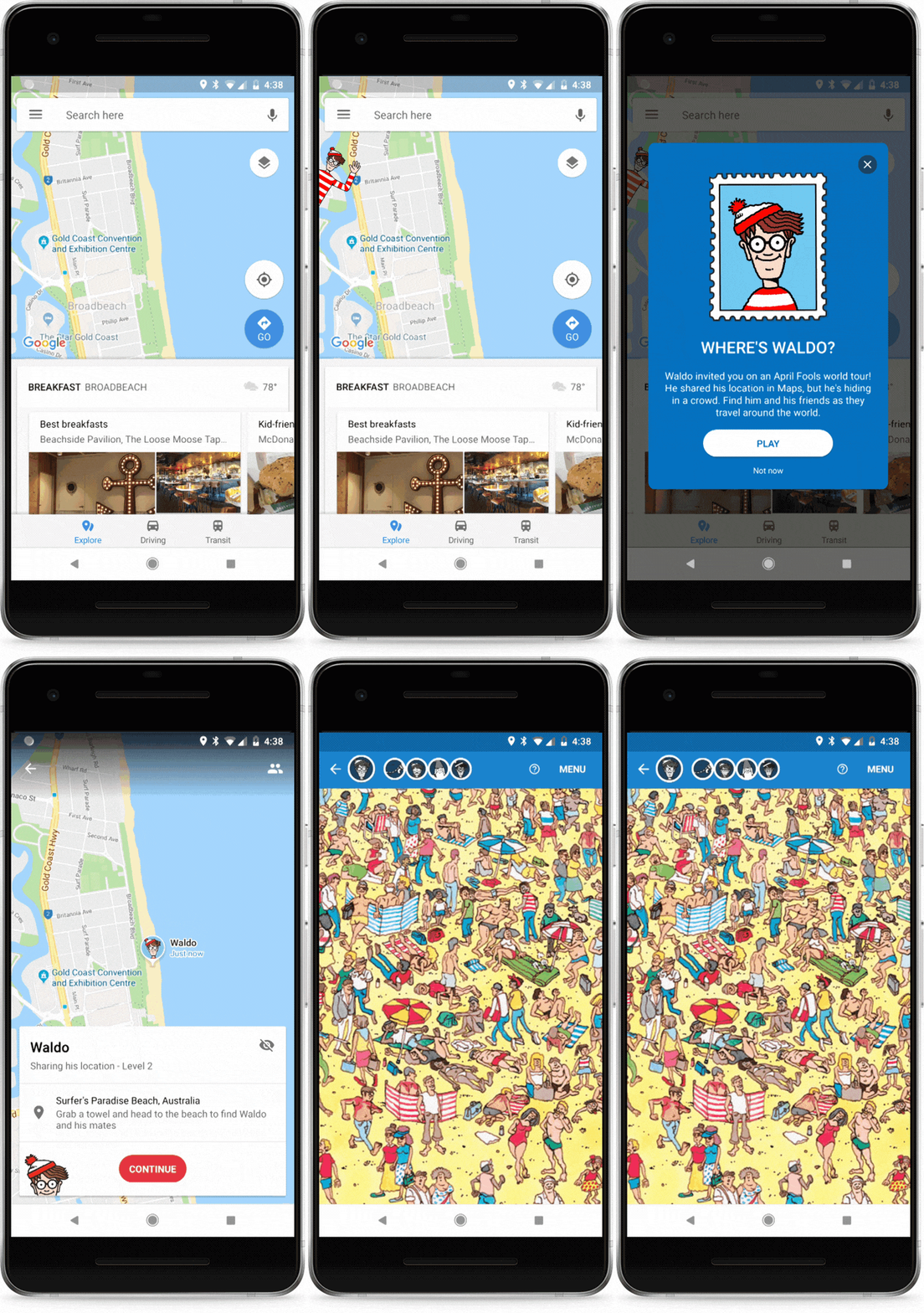 Often Google Maps team comes up with quest/games or real worl overlays that you can interact and play in Maps. In past we have seen pac man appear in map and this year it is Waldo.
Once you open your Google Map in android or iPhone Waldo will be waving his hands at you and clicking him will take you on a quest to find Waldo in different maps location. You can play and level up. I gave up after level 3 realizing my eyes aren't that great at finding Waldo. The most interesting part of the quest seems to me that you gain badges with more quest you do and the better you are able to find it. Way to go in gamifying a April fool's joke.
More information on waldo: https://www.blog.google/products/maps/wheres-waldo-find-him-google-maps/
Google Cloud Hummus API - Google Israel
Google Wants you to serve organized data to help you make better decisions. And of course when we talk about "serving" they want to use advanced machine learning model on hummus big data warehouse to give you the Hummus API. According to Google"We’re extremely excited to share with you our latest Google Cloud groundbreaking technology: After enabling our customers to address senses through Speech & Vision API, we are now releasing a subset of Taste APIs started with a dish we all love - Hummus!"
Gboard - Google Japan
Google Japan envisions a world where you don't even want to memorize your keyboard keys. Or want to type by swiping? Gboard lets you swipe over hardware keyboards. The physical version of Gboard collects “a ton of scribble data” applies machine learning on it to match it with the correct letters. Apparently it works for all ages and, not only do you no longer have to remember where all the letters are, but manufacturers don’t even need to print the letters on the keys anymore.Interesting...
Googz - Google Australia
 Google Australia just decided "Google" is too mainstream and most peoiple in Australian accent call it something like Googz anyway. So they rebranded Google as....yes you guessed it correctly. Googz.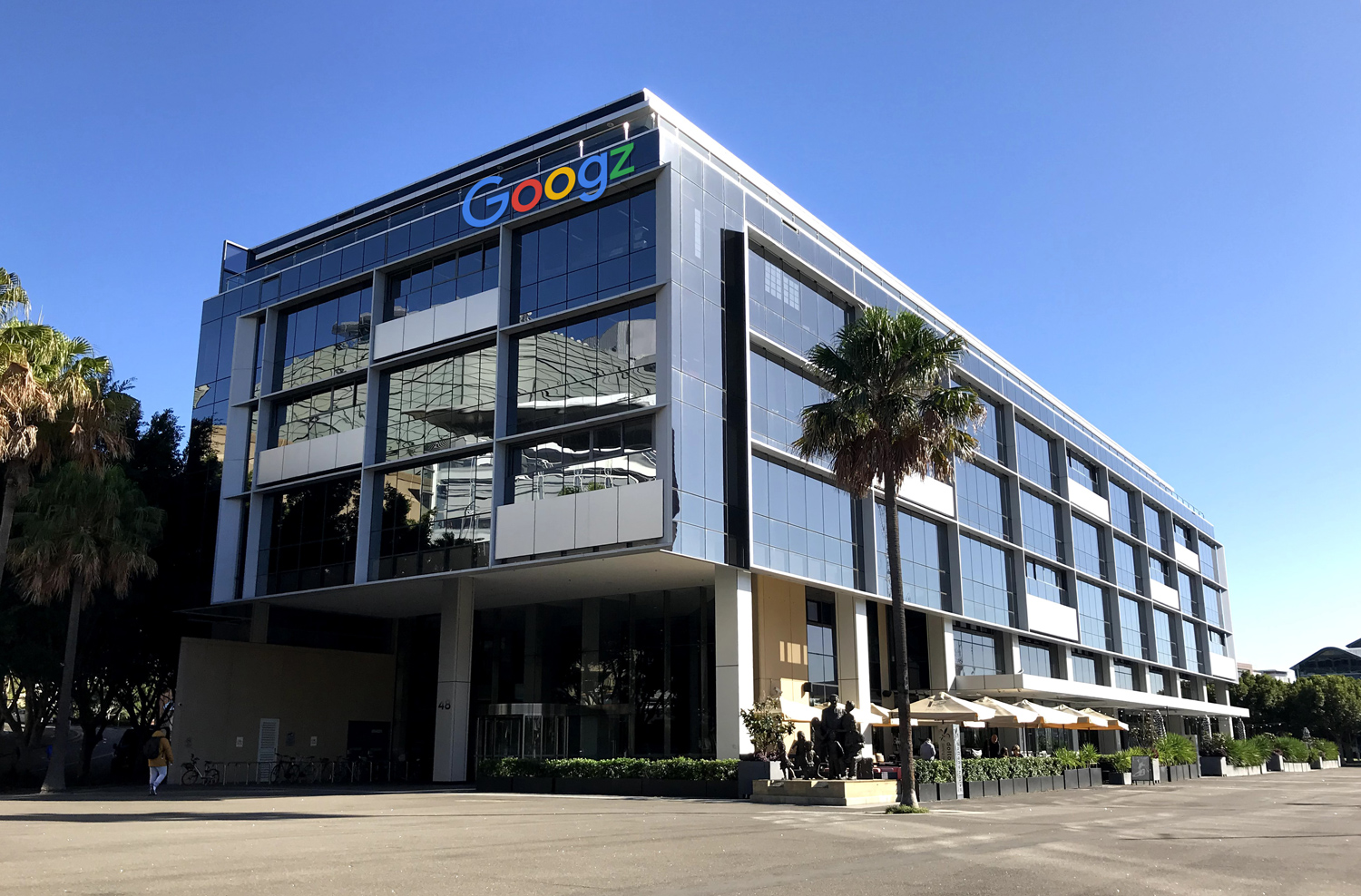
Bad Joke detector - Google Files Go team
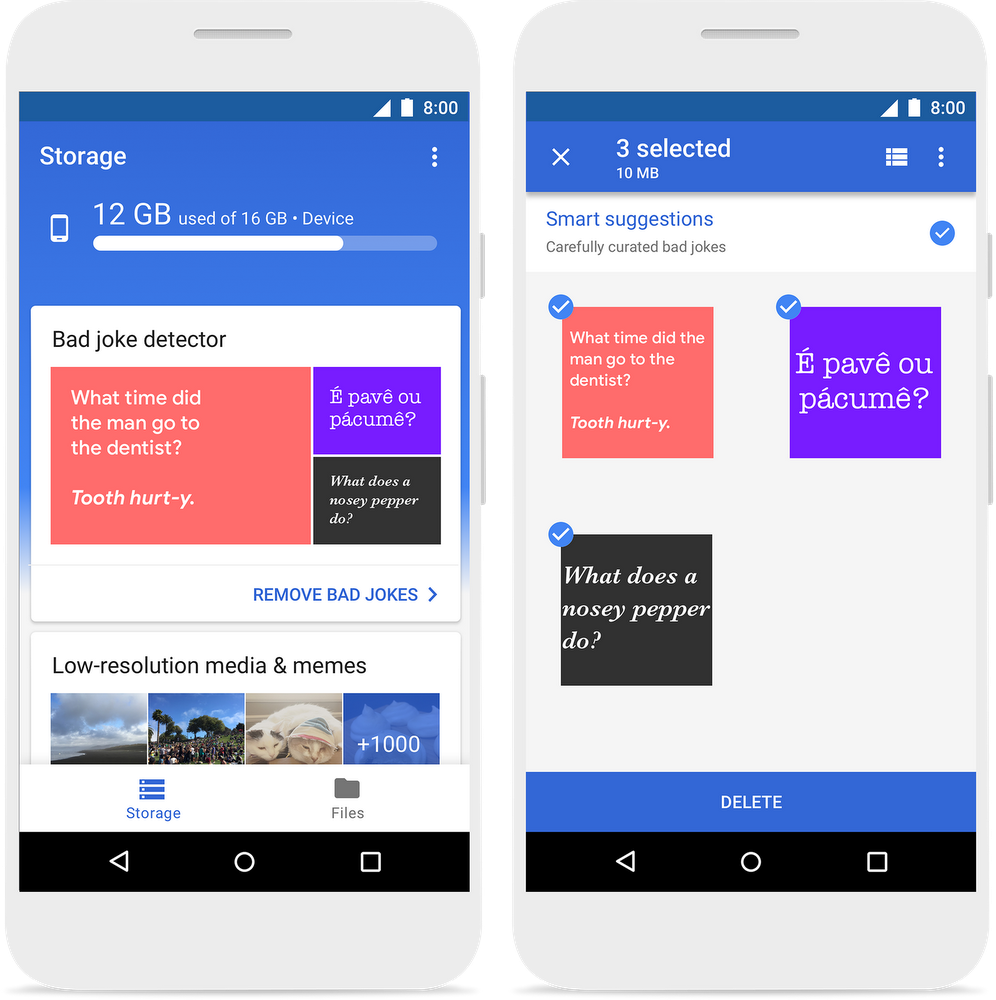
Yeah, you heard that right. Remember that little nifty app that used to show you the files you can delete to free up precious space in your android phone? The one which can detect which one are meme's and which are unnecessary files? Today it gets more superpowers to detect which bad jokes were sent to you, classify that and show them to you where you can delete those files freeing up your valuable space.
ChromeBook Solar Charger - Google ChromeOS Team
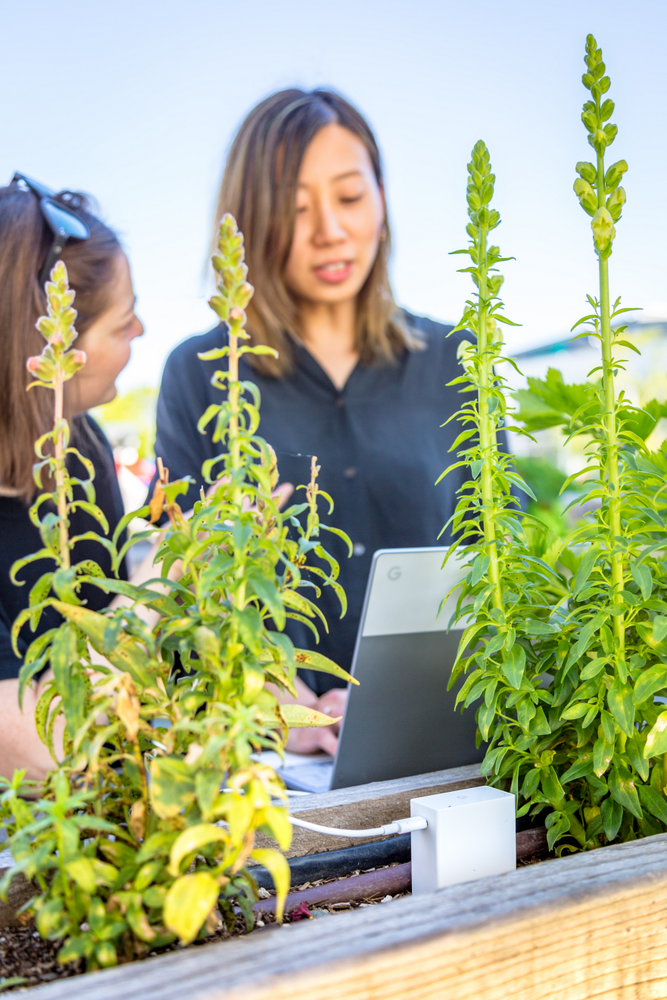 It seems Chromebooks are also gaining superpowers. And what mighty powers. It can now harness clean renewable energy to recharge itself. But the story doesn't stop there. It can recharge itself with
 - Solar
- Wind
- Compost(!)
As they say " take your Chromebook charger along and watch the battery level grow like a weed."
Read about it at: https://www.blog.google/products/chromebooks/harness-your-chromebooks-supercharging-powers/
Read about it at: https://www.blog.google/products/chromebooks/harness-your-chromebooks-supercharging-powers/
Comments
Post a Comment