
IoT, Analytics and Data: A day with Intel Edison,GE and OpenWeb

Just a few days back on 25th October, I received an invitation to attend a Internet of Things workshop by Intel and GE Digital showcasing what edison and the predix platform could do. And I realized that’s pretty good chance to see what javascript and openweb can work and do in Tandem with it.
So on a early morning of 25th October I hopped on to an Uber to go to “Work Lodge”. A nice little co working place in the middle of Houston and discovered
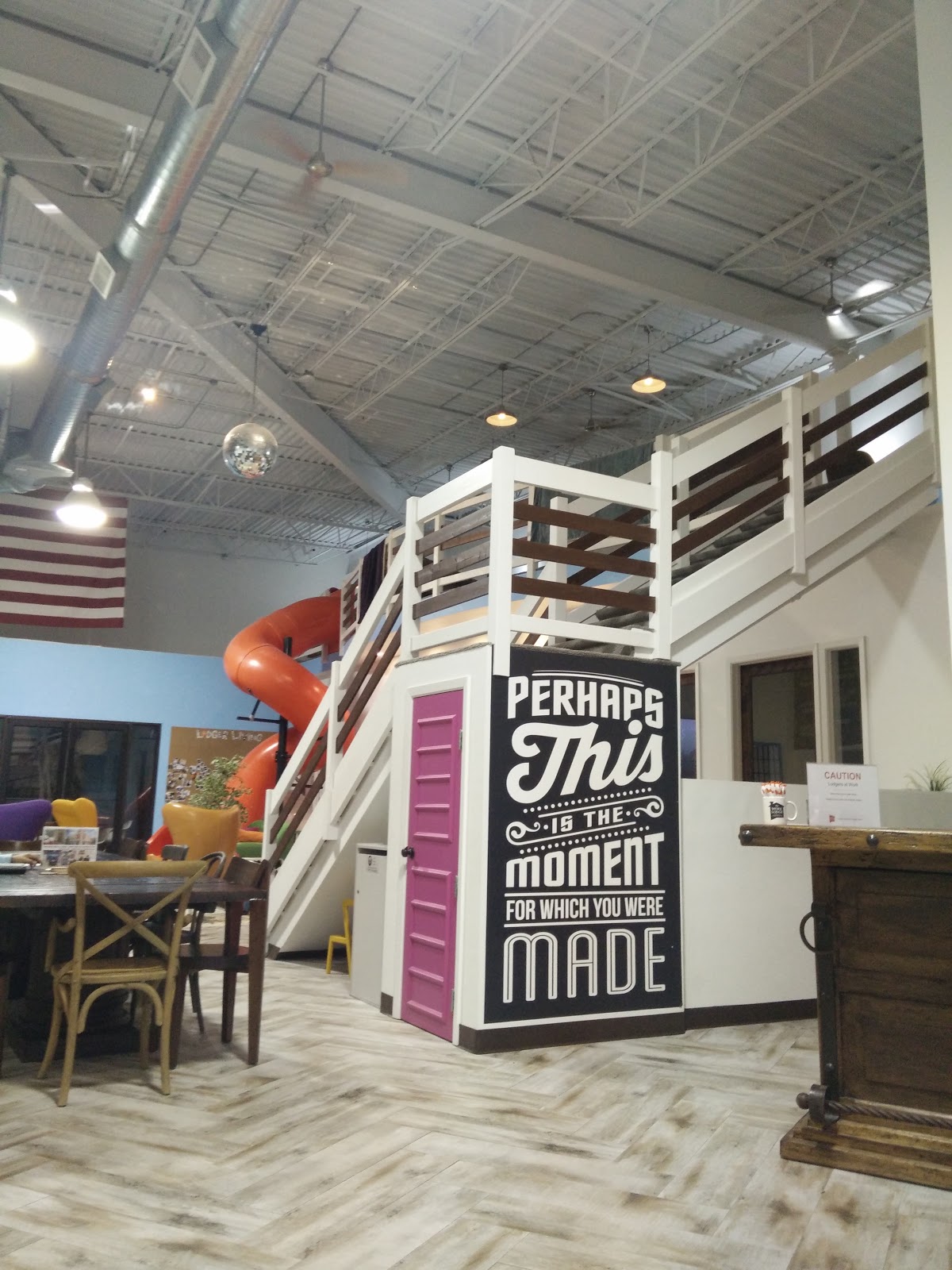
img-alternative-text

When that was over we started setting up for the workshop. The most interesting thing I noticed from the organizers were how they were planning to distribute the wifi among all the 60 participants.

img-alternative-text

Pretty clever I must say. good way to distribute wifi load in a workshop, specially in one where everyone will probably connect atleast 4-5 devices to wifi (including the IoT board).
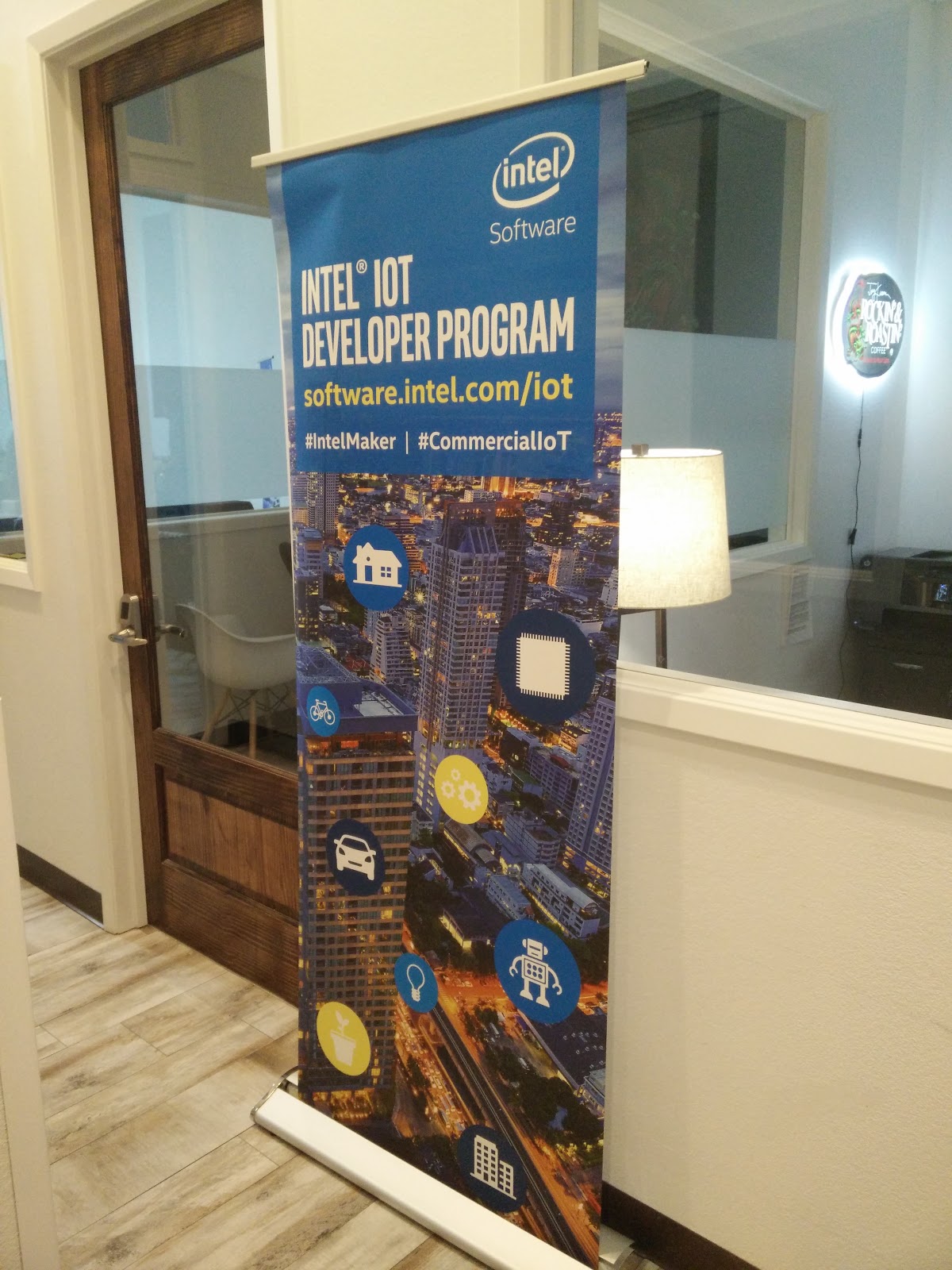
img-alternative-text

Then we satrted builidng our prototype and projects. Mostly what was used was Intel Edision boards along with a combination of sensors. I had used a combination of temperature,light and humidity sensor. And evantually what my project became was a time series analysis based on those data. That could effectively log the changes and act on any sudden change based on those parameters. I used the predix platform to quickly get it upto running. Some nifty python scripts I cokked up running in the edison board helped to get the streaming data into predix cloud where I did the timeseries analysis. There wasnt much more time This is how essentially it looks like in the dashboard with my 3 sensors and "wind turbines"

img-alternative-text

And the gig

img-alternative-text

This was pretty fun thing to do. And i got to enjoy a lot. I also made a lot of people go through the part of how you can connect it to IBM Watson and do a lot of stuff with that. Not being bound to any platform. Alos how to actually sanitize your data and send it to the platforms for analysis and still get the same kind of results predictions (essentially how do you sanitize whil keeping data mapping). This was all lot of fun and another reminder how IoT can help us do a lot of things.

At the end a glimpse of the audience

img-alternative-text

Comments

Popular posts from this blog

Racecraft (Project Koru) · Prologue — The Origin Story

Racecraft · Prologue , The Origin Story It Started With a Wine List and a Question About Racing How a happy-hour conversation in the Bay Area turned into a trustable AI race coach , and then into a second version that runs entirely on a phone, on the NPU. This is the prologue to a five-part series. Two years ago(1st November, 2024) I was in the Bay Area for a GDE Summit. If you've never been: it's a couple of days of talks among Google Developer Experts, the kind of people who get unreasonably excited about a new on-device runtime, and then , mercifully , a happy hour where everyone stops performing and just eats. We ended up at a restaurant(Puesto Santa Clara), a long table of GDEs, and I was doing the most important engineering of the evening: trying to decide which wine to order. Across the table was Ajeet Mirwani . I don't even remember how the wine talk turned into racing talk , these things drift , but the moment the word "racing" ...

A Split‑Brain Neuro‑Symbolic Training Method for High‑Velocity Autonomous Coaching from Telemetry

 Author: Rabimba Karanjai Scope: Problem statement + data methodology + model training (no deployment discussion) Abstract Real‑time coaching in motorsport is a safety‑critical learning problem : a system must map noisy, high‑frequency telemetry to short, actionable guidance that remains physically consistent and avoids hazardous recommendations . This paper proposes a “Split‑Brain” training formulation that separates (i) a semantic coaching target (what action/critique should be expressed) from (ii) a reflexive interface (how actions are represented as compact, verifiable tokens). The approach trains a Small Language Model (SLM) in the Gemma family [1] using QLoRA fine‑tuning [2] , and introduces a telemetry tokenizer plus teacher‑student synthesis pipeline to generate instruction‑action pairs at scale. Core contribution: a reproducible method to convert “ golden lap ” differential tel...

The Throughput Trap: Benchmarking vLLM on OpenXLA and the Reality of Production LLM Serving

vLLM Systems · DevLab 2026, Deep Dive I was recently invited by the Google TPU team to speak at the OpenXLA Summer DevLab 2026 . This post breaks down our deep-dive evaluation of the matured vLLM + OpenXLA stack, the fundamental engineering mismatches between CUDA and XLA serving paths, and why traditional capacity metrics are lying to you. If you are operating large language models at enterprise scale right now, your platform architecture team is likely staring at a massive infrastructure crossroads: Should we migrate our core serving workloads from GPUs to TPUs? Historically, NVIDIA's CUDA ecosystem was the only serious option for user-facing, low-latency LLM generation. But here in 2026, the economics and infrastructure options have transformed. Google TPUs are highly available, cheaper per chip, and the open-source serving stack built around vLLM and OpenXLA has officially achieved absolute production readiness. Yet, when our infrast...